

For many iPSC developers, the transition from early process feasibility to scalable, GMP-compatible manufacturing remains one of the most difficult phases of development. What works in a controlled research setting does not always translate into a robust, reproducible, and economically viable process. As more programs move toward the clinic, CMC strategy is becoming a defining factor in success.
The Reality of Scaling iPSC-Derived Therapies
Scaling iPSC-derived cell therapies introduces multiple layers of complexity. Unlike traditional biologics, developers must manage living cells with inherent variability while maintaining tight control over identity, purity, and potency.
Key challenges include:
Maintaining consistency across large-scale differentiation runs
Controlling variability introduced by raw materials and culture conditions
Developing closed, automated systems that reduce contamination risk
Managing cost of goods in the context of complex workflows
These challenges are compounded when teams are working with allogeneic models at scale.
Process Development Under Pressure
Time pressure is a constant factor with programs moving faster toward clinical evaluation, often before process development is fully mature.
This creates risk around:
- Comparability when processes change
- Technology transfer between sites or CDMOs
- Alignment between process parameters and quality attributes
Developers are increasingly required to demonstrate that their processes are not only functional but also controlled and adaptable, which is where a strong CMC strategy becomes critical.



Defining and Controlling Critical Quality Attributes
A major area of focus in iPSC manufacturing is the identification and control of critical quality attributes. For many iPSC-derived products, the relationship between measurable attributes and clinical function is still being established. Teams must define CQAs based on a combination of biological understanding, experimental data, and regulatory expectations meaning that analytical development plays a central role.
Challenges include:
- Designing assays that are both informative and scalable
- Ensuring assay reproducibility across sites
- Linking analytical outputs to functional outcomes
Without this clarity, it becomes difficult to justify batch release criteria or process changes.
Automation, Standardization, and Infrastructure
Automation platforms can improve consistency and throughput, but they require upfront investment and careful validation. Closed systems reduce contamination risk but may limit flexibility.
Developers must evaluate when to invest in automation, how to standardize processes without losing critical control, and what level of infrastructure is required to support clinical and commercial scale
The Cost of Goods Challenge
iPSC-derived therapies often involve complex, multi-step processes that are resource-intensive. Reducing cost of goods without compromising quality is essential for long-term success.
Approaches include:
Optimizing media and reagent usage
Improving yield and process efficiency
Reducing manual interventions
Designing processes with scalability in mind from the outset
With no single solution, progress depends on incremental improvements across the workflow.
Why Focused Discussion Matters
The industry is still building shared understanding in this area. While regulatory frameworks provide guidance, many practical questions are resolved through experience.
Developers benefit from understanding how others have approached:
- Process scale-up
- CMC documentation
- Analytical strategy
- CDMO partnerships
The ability to compare approaches reduces uncertainty and helps teams avoid repeating known pitfalls.
How the Summit Supports Process Development & CMC Leaders
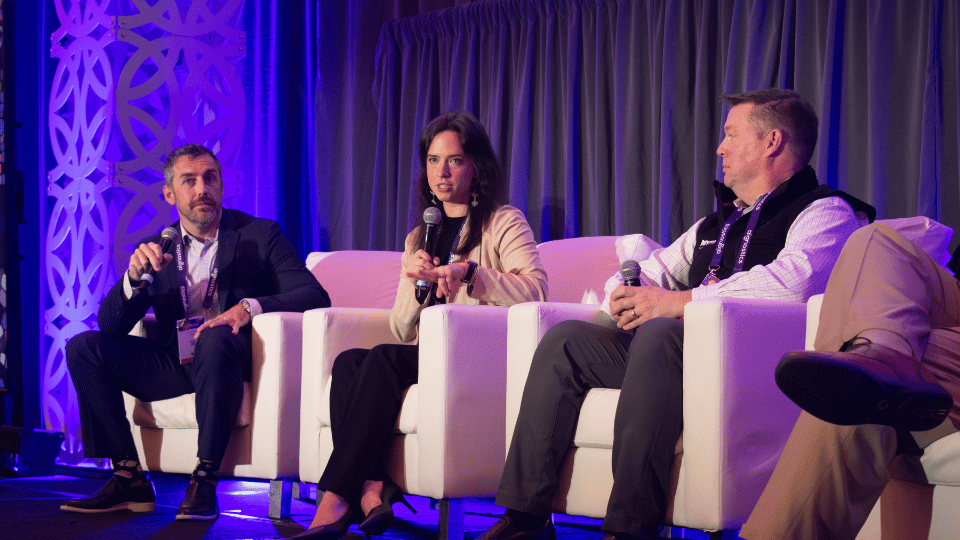
The 6th iPSC Drug Development Summit brings together CMC, process development, and manufacturing leaders working on similar challenges.
Sessions are specifically designed to address:
- GMP readiness for iPSC-derived products
- Process optimization and scalability
- Analytical development and QC strategy
- Managing comparability during process evolution
Compared to broader tradeshow events, this level of topic focus allows for deeper, more honest discussions to tackle the key challenges that iPSC therapies face today.

Explore the 2026 Agenda
See where the bottlenecks really are and how teams are solving them.
This agenda goes beyond theory to highlight the decisions shaping real iPSC programs, from line selection and genome integrity to late stage scale up, comparability, and regulatory confidence.

Partner With Us
Shape the discussion at the point where priorities are being set.
Partnering with the summit gives you a unique opportunity to position your organization at the heart of the iPSC community, build meaningful connections, and become the go-to partner for the iPSC community.
Join the iPSC Community
Connect with a field that has moved past experimentation.
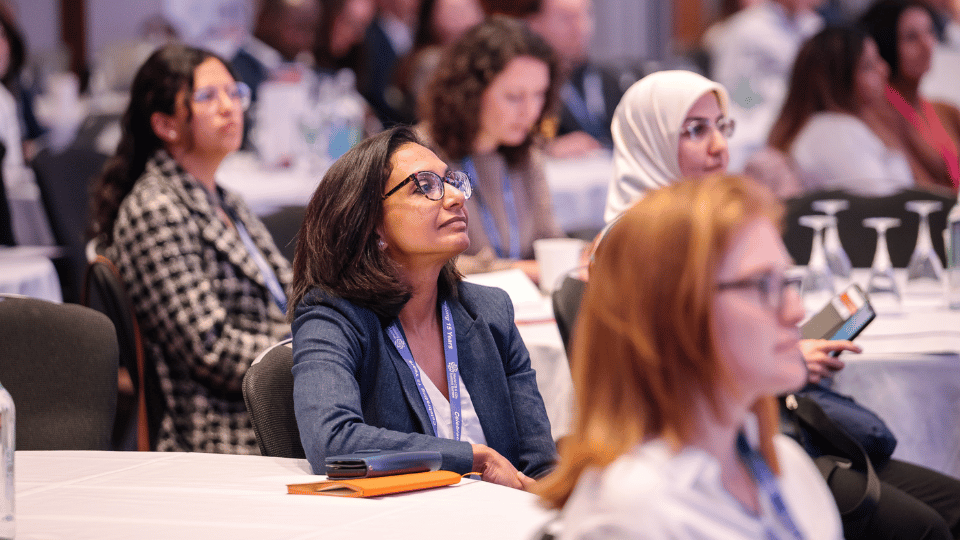
Meet a focused community of leaders working through the realities of clinical translation, manufacturing scale, and regulatory alignment. Biopharma and academics can attend for free!